AI for Students: The Complete Guide to Learning Smarter in 2026
Artificial Intelligence (AI) is transforming education at an unprecedented pace. What once seemed like futuristic technology is now becoming an essential part of students’ daily lives.
From helping with homework and research to improving writing skills and organizing study schedules, AI tools are making learning more efficient, personalized, and accessible.
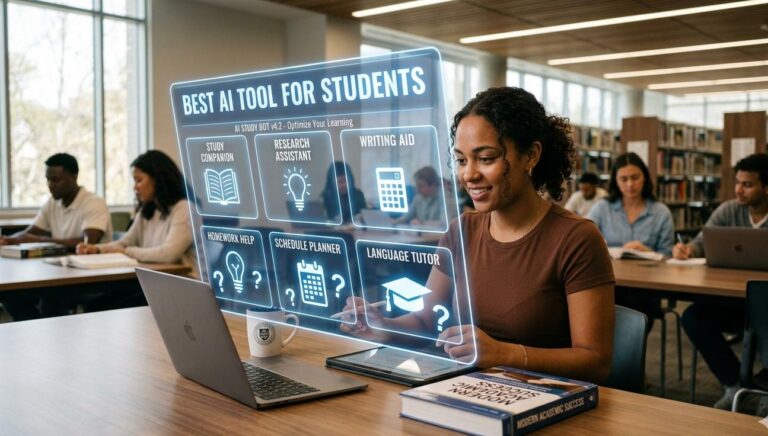
In 2026, students at all levels—school, college, and university—are using AI-powered tools to enhance productivity and achieve better academic results. AI can act as a tutor, study assistant, research helper, language coach, and even a career advisor.
However, using AI effectively requires understanding its benefits, limitations, and ethical considerations. This comprehensive guide explores how students can use AI responsibly to improve learning outcomes, save time, and prepare for future careers.
What Is AI?
Artificial Intelligence refers to computer systems that can perform tasks that typically require human intelligence. These tasks include:
- Understanding language
- Solving problems
- Recognizing patterns
- Learning from data
- Making recommendations
- Generating content
Modern AI tools can answer questions, write essays, summarize information, create images, translate languages, and assist with research.
For students, AI serves as a powerful educational companion that can support learning both inside and outside the classroom.
Why AI Is Important for Students
Education is becoming increasingly digital. Students face growing workloads, complex subjects, and constant information overload. AI helps simplify learning by providing instant assistance and personalized support.
Key Benefits Include:
- Faster learning
- Better organization
- Improved writing skills
- Personalized tutoring
- Efficient research
- Increased productivity
- Enhanced creativity
- Better exam preparation
As AI technology continues to advance, students who learn to use these tools effectively will gain valuable academic and professional advantages.
How Students Can Use AI for Studying
Personalized Learning
Every student learns differently. Some understand concepts quickly, while others require additional explanations.
AI-powered learning tools can adapt to individual needs by:
- Explaining concepts at different difficulty levels
- Providing customized exercises
- Identifying learning gaps
- Offering targeted recommendations
This personalized approach helps students learn at their own pace.
Homework Assistance
One of the most popular uses of AI is homework support.
Students can use AI to:
- Understand difficult topics
- Solve math problems
- Explain scientific concepts
- Analyze literature
- Review assignments
Rather than simply providing answers, AI can explain step-by-step solutions that help students understand the material.
Research Support
Research projects often require gathering information from multiple sources.
AI can help students:
- Find relevant information
- Summarize lengthy articles
- Generate research questions
- Organize notes
- Create outlines
This saves valuable time and allows students to focus on critical thinking and analysis.
Essay Writing Assistance
Writing is a crucial academic skill.
AI tools can assist students by:
- Generating essay outlines
- Improving grammar
- Correcting spelling errors
- Enhancing sentence structure
- Suggesting stronger vocabulary
However, students should use AI as a writing assistant rather than relying on it to complete assignments entirely.
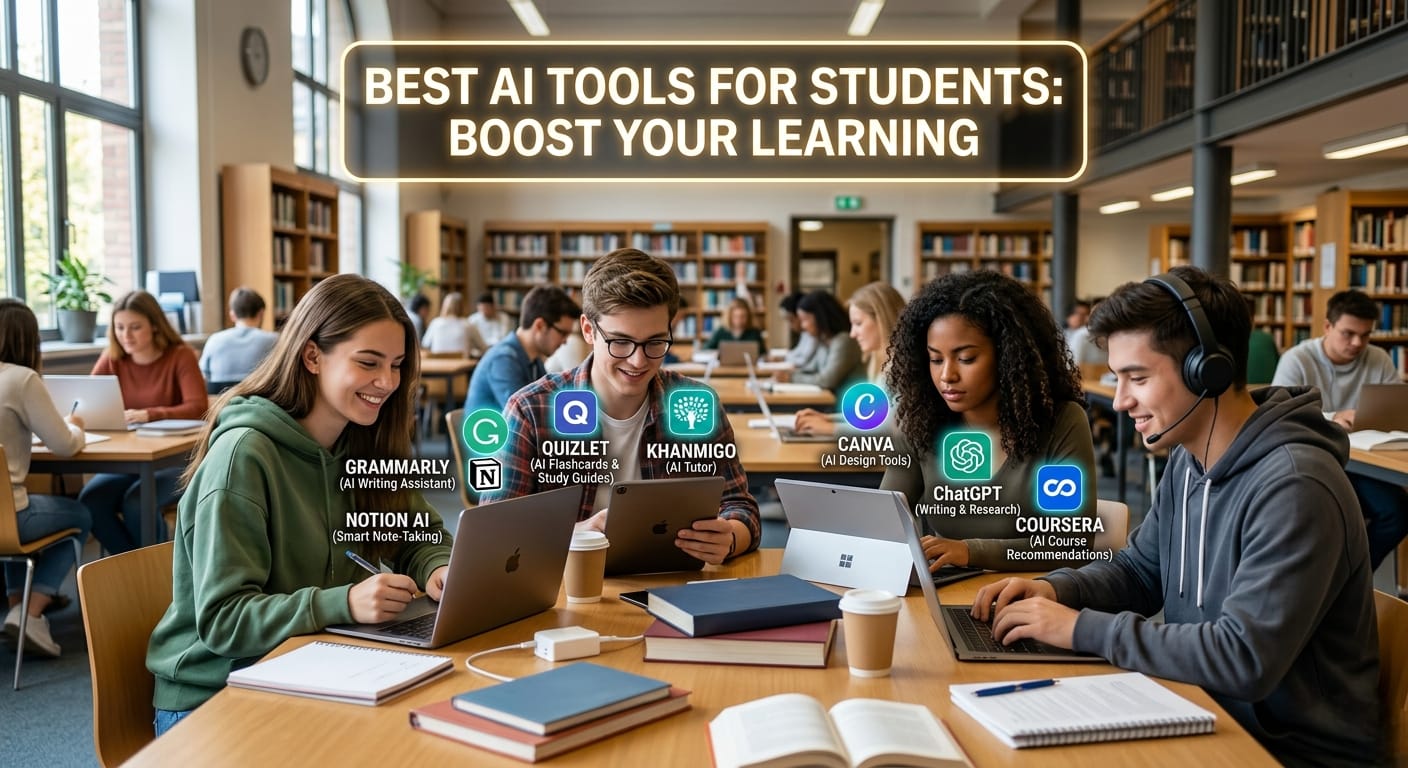
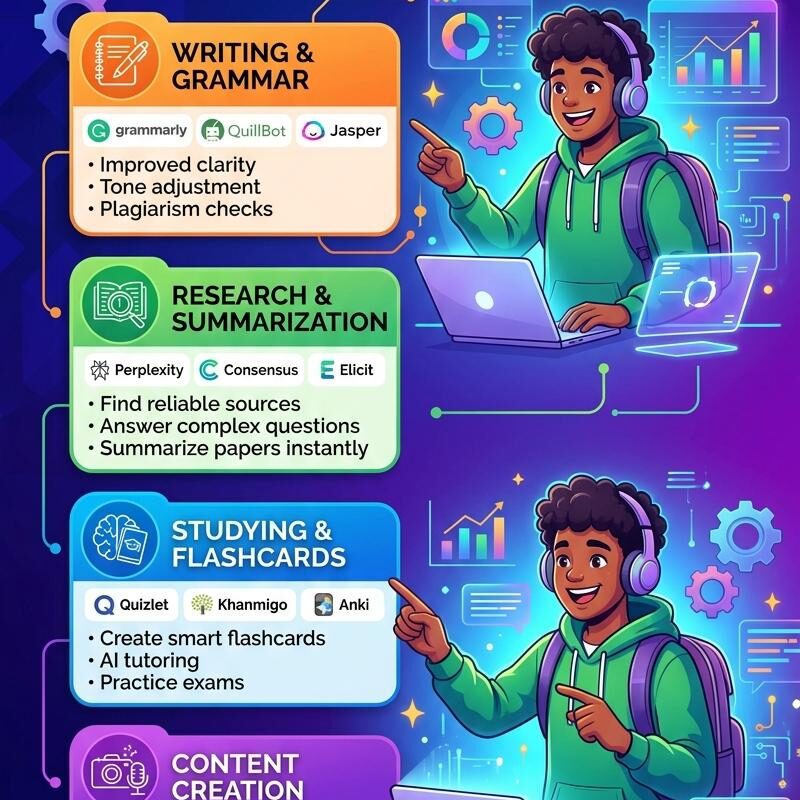
Best AI Tools for Students in 2026
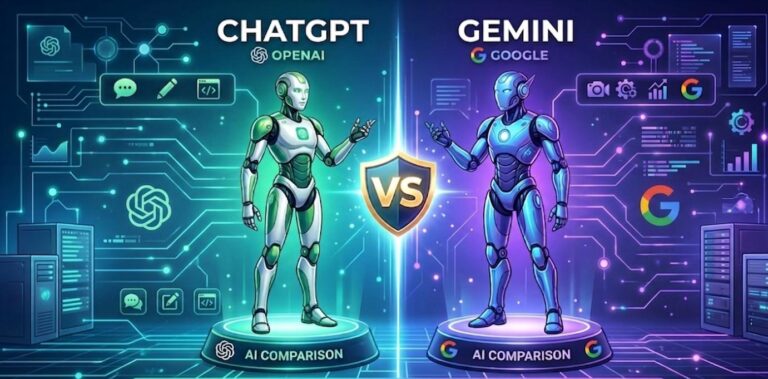
ChatGPT
ChatGPT remains one of the most popular AI tools for education.
Uses:
- Homework help
- Essay planning
- Study assistance
- Coding support
- Research guidance
Advantages:
- Easy to use
- Fast responses
- Covers many subjects
Grammarly
Grammarly helps students improve writing quality.
Features:
- Grammar correction
- Spell checking
- Style suggestions
- Clarity improvements
Benefits:
- Better academic writing
- Fewer mistakes
- Improved communication skills
Notion AI
Notion AI combines note-taking and productivity features.
Uses:
- Organizing study materials
- Creating summaries
- Managing projects
- Generating study plans
Perplexity AI
Perplexity AI is useful for research and fact-finding.
Benefits:
- Quick answers
- Source citations
- Research support
- Academic exploration
Google Gemini
Gemini assists students with:
- Writing
- Research
- Brainstorming
- Problem solving
Its integration with Google’s ecosystem makes it especially useful for academic work.
AI for Exam Preparation
Exams are often stressful for students.
AI can help by creating efficient study systems.
Creating Study Plans
AI can develop personalized schedules based on:
- Exam dates
- Subject difficulty
- Available study time
- Learning goals
Generating Practice Questions
Students can request:
- Multiple-choice quizzes
- Flashcards
- Short-answer questions
- Mock exams
Regular practice improves retention and confidence.
Explaining Difficult Topics
Instead of reading confusing textbook explanations repeatedly, students can ask AI for simplified explanations.
AI can explain concepts using:
- Examples
- Analogies
- Step-by-step breakdowns
- Visual descriptions
AI for Learning Languages
Language learning has become easier thanks to AI.

Students can use AI to:
- Practice conversations
- Improve grammar
- Expand vocabulary
- Translate text
- Receive pronunciation guidance
AI language tutors provide immediate feedback, making learning more interactive.
AI for Coding and Computer Science Students
Programming students benefit greatly from AI tools.
AI can:
- Explain coding concepts
- Debug code
- Generate examples
- Teach programming languages
- Review projects
Popular programming languages supported include:
- Python
- JavaScript
- Java
- C++
- SQL
While AI helps students learn faster, understanding the code remains essential.
AI and Time Management
Many students struggle with procrastination and poor organization.
AI-powered productivity tools help by:
- Managing tasks
- Scheduling deadlines
- Setting reminders
- Prioritizing assignments
- Tracking progress
Better organization often leads to better academic performance.
AI for Creativity and Projects
AI is not limited to academics.
Students can use AI for creative activities such as:
- Designing presentations
- Creating images
- Making videos
- Brainstorming ideas
- Developing projects
Creative AI tools encourage innovation and experimentation.
Advantages of AI for Students
- Faster Learning
- Students can receive instant explanations instead of waiting for help.
- Personalized Education
- AI adapts learning experiences to individual needs.
- Better Productivity
- Routine tasks become faster and more efficient.
- Increased Accessibility
- Students with disabilities can benefit from AI-powered assistance tools.
- Improved Academic Performance
- Better understanding often leads to higher grades.
- Enhanced Creativity
- AI encourages idea generation and creative thinking.
Challenges of Using AI in Education
Despite its advantages, AI also presents challenges.
Overreliance on Technology
- Students may become dependent on AI rather than developing independent thinking skills.
Accuracy Issues
- AI occasionally provides incorrect or outdated information.
- Students should verify important facts using trusted sources.
Academic Integrity Concerns
- Using AI to complete assignments without learning the material may violate school policies.
Privacy Risks
- Students should be cautious about sharing personal information with AI systems.
Responsible Use of AI for Students
To maximize benefits while avoiding problems, students should follow these guidelines:
- Use AI as a Learning Tool
- Focus on understanding concepts rather than copying answers.
- Verify Information
- Always cross-check important facts and research findings.
- Follow School Policies
- Ensure AI use complies with academic guidelines.
- Develop Critical Thinking
- Question information and analyze responses carefully.
- Protect Privacy
- Avoid sharing sensitive personal information.
The Future of AI in Education
AI will continue transforming education in the coming years.
Future developments may include:
- AI tutors available 24/7
- Personalized learning pathways
- Real-time feedback systems
- Virtual classrooms
- Advanced language learning assistants
- AI-powered career guidance
These innovations could make education more effective, affordable, and accessible worldwide.
How Students Can Start Using AI Today
Getting started with AI is simple.
Step 1: Choose an AI Tool
Begin with beginner-friendly tools like ChatGPT or Grammarly.
Step 2: Define Your Goals
Identify areas where you need support.
Step 3: Ask Better Questions
Clear questions often produce better answers.
Step 4: Practice Regularly
Consistent use improves results.
Step 5: Combine AI with Traditional Learning
Use textbooks, teachers, and AI together for the best outcomes.
Frequently Asked Questions (FAQs)
1. What is AI for students?
AI for students refers to artificial intelligence tools that help with learning, homework, research, writing, organization, and exam preparation.
2. Is AI helpful for studying?
Yes. AI can explain concepts, create study plans, generate practice questions, and provide personalized learning support.
3. Which AI tool is best for students?
Popular options include ChatGPT, Grammarly, Gemini, Notion AI, and Perplexity AI.
4. Can AI improve grades?
AI can improve understanding, productivity, and study efficiency, which may contribute to better academic performance.
5. Is using AI for homework cheating?
It depends on how it is used. Using AI to learn concepts is generally acceptable, but submitting AI-generated work as your own may violate school policies.
6. Can AI write essays for students?
AI can assist with outlines, drafts, and editing, but students should create original work and follow academic integrity guidelines.
7. How can AI help with exam preparation?
AI can generate quizzes, summarize notes, explain topics, and create personalized study schedules.
8. Is AI accurate for academic research?
AI can be helpful, but students should verify information using reliable academic sources.
9. Can younger students use AI?
Yes. Many AI tools are suitable for school students when used under appropriate supervision.
10. What is the future of AI in education?
The future includes personalized tutoring, smarter learning systems, virtual classrooms, and advanced educational support available anytime.
Conclusion
Artificial Intelligence is revolutionizing education and creating exciting opportunities for students. From homework assistance and research support to exam preparation and language learning, AI tools can significantly improve academic performance when used responsibly.
The most successful students in 2026 are not those who rely entirely on AI but those who use it as a partner in learning. By combining AI technology with critical thinking, creativity, and strong study habits, students can unlock their full potential and prepare for a future where AI plays an increasingly important role.
Learning how to use AI effectively today is not just an academic advantage—it is a valuable life skill that will remain relevant for years to come.